
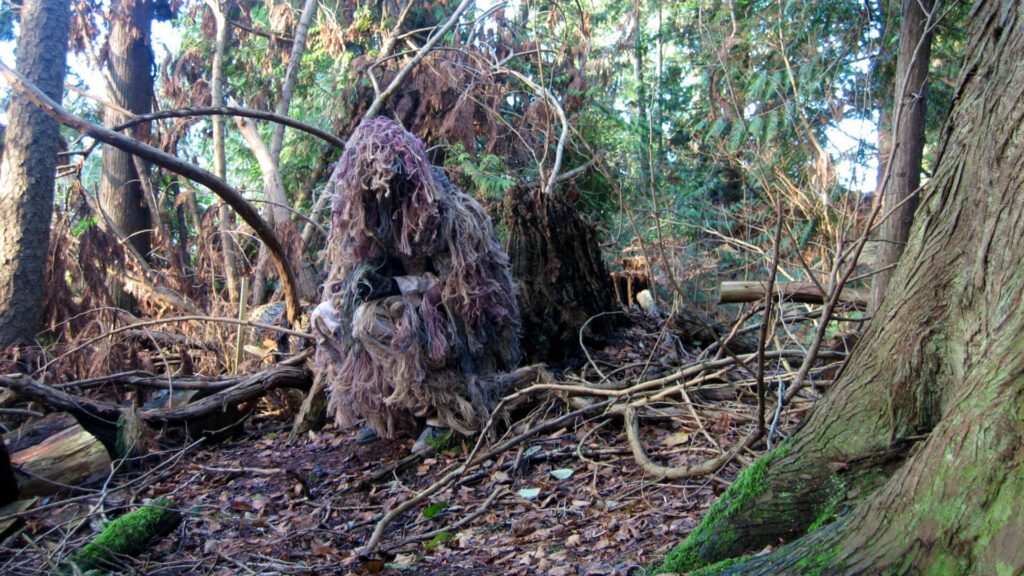
The Vietnam War has brought a lot of stories and myths with it. Among the most famous is that of Carlos Hathcock – a sniper who is said to have 93 confirmed kills and three times that unconfirmed. What makes Hathcock’s story even more impressive is that he did all this while using sniper camouflage techniques still used by snipers today.
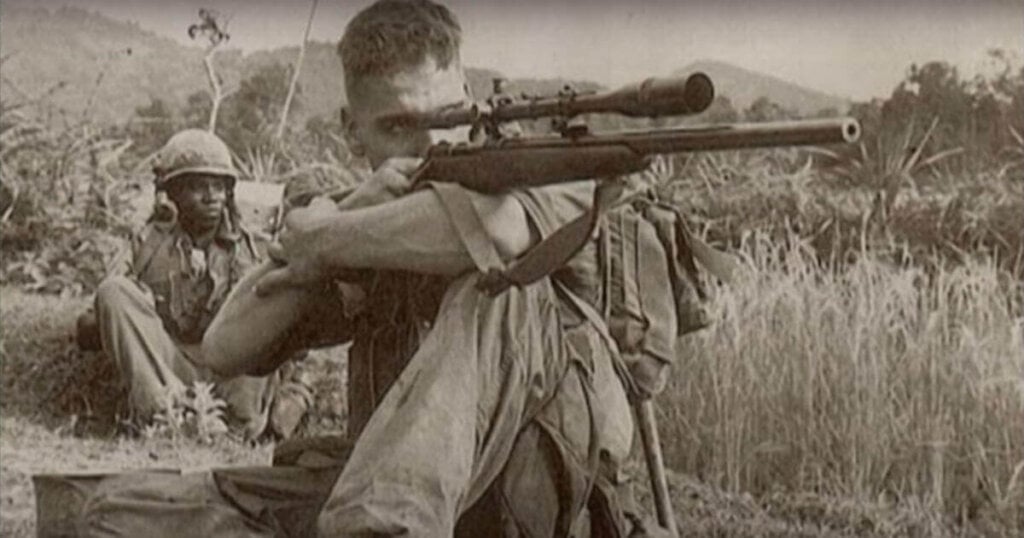
Carlos Hathcock the Sniper
Who is Carlos Hathcock? Hathcock was a master of sniper camouflage. He would often spend days waiting in the same spot, completely hidden from view. His enemies never knew what hit them until it was too late. Hathcock’s most famous kill came at a distance of almost 2,500 yards (2,286 meters). This is an incredible feat, especially considering that most sniper rifles can only shoot accurately up to 1,000 yards (914 meters). It was done using an unconvential.50 caliber Browning machine gun.
Another famous story about Sniper Carlos Hathcock’s Vietnam War escapades is when he used a ghillie suit to stalk and eliminate the enemy over a period of 3 days. He voluntered for the mission because he felt he was the most capable of coming out alive.After all he was the one training the others. He did not want any of his unit to end up deat. For the final stalk he wriggled on his side to reduce his “slug trail”. Carlos was in their backyard and they didn’t know he was there. They did not expect a one man army was coming in close.
It took a long time to cover the 1000 yards to where he could make the shot. Many patrols came by and kept walking without a clue. Both tired, hungry and thirsty, Hathcock could see them cooking up their food and yearned for some. But he was determined to stay focused and “in the bubble”. It was him and his mission. His job. He crawled up a little rise, in between where twin .51 guns were set up for defense against an air attack. He noted his escape route into the trees off to his right.
This is where Carlos took the 700 yard shot, and and according to him “it worked out pretty good”. Because of his approach directly into their backyard, the enemy soldiers ran off looking for him in the opposite direction. That is where trees were and where obviously any sniper would have taken the shot from. But not so. Carlos just bided his time and has to slowly crawl his way out and made it home safely.
What is a Ghillie Suit?
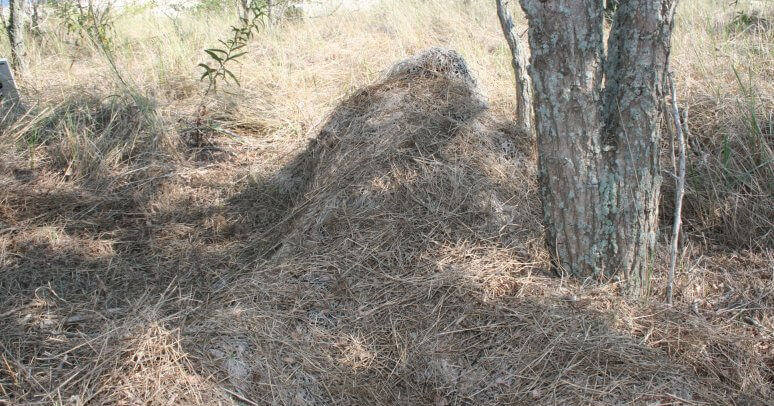
A ghillie suit is a type of camouflage made to blend in with the surrounding environment. It is usually worn by snipers, who use it to hide in plain sight. Hathcock used the ghillie suit to his advantage by hiding in the tall grass and stalking his prey. He would then take them out with a sniper rifle. How did Hathcock achieve these feats? Part of it was due to his mastery of sniper camouflage of which the ghillie suit was vital.
The Scottish first developed the ghillie suit during World War I. The suit consisted of a long jacket and trousers made from tweed, along with a woolen cap. Scottish gamekeepers originally used it for hunting deer.
The military later adapted the ghillie suit for use in military sniper camouflage. It is now made from various materials, including cloth, burlap, and leaves. The suit is often covered in twigs, grass, and other vegetation to blend further with the environment.
The ghillie suit is an essential piece of equipment for snipers. It allows them to blend in with their surroundings, making them less visible to the enemy. This gives them a tactical advantage and increases their chances of success. Since World War I, snipers have used the ghillie suit in every major conflict. It is still used today by sniper teams all over the world.
How Countries Used Ghillie Suits in Vietnam War
Of course, Hathcock was not the only one who used the ghillie suits as a sniper camouflage during the Vietnam War. Both the Americans and the North Vietnamese used sniper camouflage to gain a tactical advantage.
The Americans were the first to start using ghillie suits during the Vietnam War. The first suits were made from burlap and were very crudely made. They did not provide much coverage or concealment and often left the sniper’s head and face exposed. Despite the shortcomings, the ghillie suit was still a valuable tool for snipers. It allowed them to get closer to their targets without being detected. As the war progressed, the Americans developed more advanced sniper camouflage. The suits became more sophisticated and better able to conceal the sniper’s body.
Vietnamese Camouflage
The North Vietnamese also made use of sniper camouflage. The most common type of camouflage used was the “leaf suit.” This suit was made from leaves and twigs and was designed to blend in with the dense jungle foliage.The leaf suit was not as effective as the American ghillie suits, but it provided some concealment level. It was better than nothing, and the North Vietnamese snipers could use it to their advantage.
The ghillie suit is still used by sniper teams all over the world. It is an essential piece of equipment for snipers, as it allows them to blend in with their surroundings and remain hidden from the enemy.
Ghillie Suits are Still the Best Sniper Camouflage
Despite new and more advanced camouflage technologies, the ghillie suit remains the best sniper camouflage. It is still the most effective way to conceal a sniper from the enemy.
- It can be adapted to the current terrain by adding local vegetation.
- Is very versatile and can be used in various environments.
- It is effective in both urban and rural settings.
- It’s easy to wear and does not restrict the sniper’s movements.
- Effective at concealing the sniper’s body and equipment.
- Affordable and easy to make using a Ghillie Suit kit
The ghillie suit is the best sniper camouflage because it is effective in various environments and does not restrict the sniper’s movements. It is also easy to wear and althought time consuming, easy to produce from from a kit. Especially if you know how to make them properly. The ghillie suit is still the best way to conceal a sniper from the enemy.
Sniper Hiding Camouflage and Skills
Indeed, ghillie suits are so effective that they have even been used by criminals to escape detection. In 2007, a bank robber in the United Kingdom made his getaway by wearing a ghillie suit. He was only caught when he ran into a tree, and the ghillie suit became entangled. The lesson here is that you also need to learn how to properly maneuver around in a ghillie suit.
Carlos Hathcock’s Vietnam War escapades can be partially attributed to wearing ghillie suits to get the job done. His Vietnam camouflage worked because of his ghillie suit camouflage, and his immense skills in guns and ammunition add to that. His name has become a part of the history books ever since.
Ghillie suits are very useful apart from wartime uses, so many people can still benefit from them when playing games such as paintball, airsoft, and even hunting and birdwatching. Ghillie suits are still relevant and will remain as such.